Our Secrets & Our Independence or Luna’s Theme
Today is Dominican Independence Day. Dominicans celebrate February 27, even if they don’t know how in that day in 1844, Juan Pablo Duarte and La Trinitaria declared independence at a fortress called, Puerta del Conde. But maybe we don’t need to know that to celebrate our “Dominicanness.” Isn’t it enough to wave our flags, eat sancocho, and blast merengue, dembow and bachata? We don’t even have to declare: “Dios, Patria, Libertad.”
There’s an element to Lo Que Pasó, Pasó, I keep coming back to when I revise the script or think about how to shoot it. And it’s that Luna returns home to face family secrets she’d rather forget. She feels pushed to bring it up because she’s been cursed and is facing death.
What in our Dominican independence story are we keeping secret that only national annihilation would compel us to face? And who is keeping this secret in the vaults?
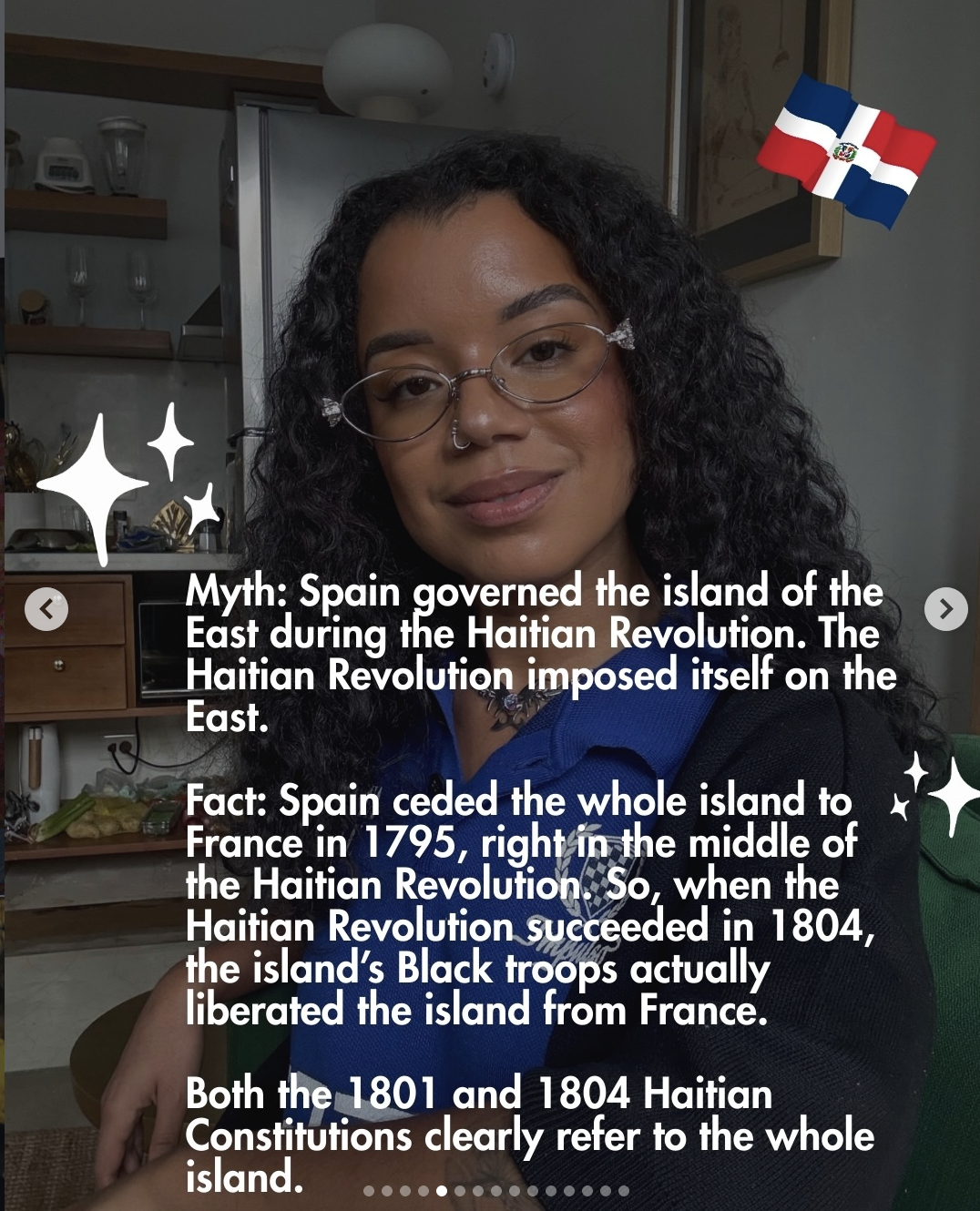
Ask most people what Dominican Independence Day celebrates, and they’ll say: “Independence from Haiti.”
And yes, that’s technically true. On February 27, 1844, we declared independence from Haitian rule that had lasted 22 years.
But here’s the family secret: We weren’t originally a Spanish colony fighting for freedom. We were a French colony that Spain had abandoned.
In 1795, Spain ceded the entire island of Hispaniola to France through the Treaty of Basel. Yes, the entire island—right in the middle of the Haitian Revolution. Spain essentially said, “Tomâ, France, the land making up the Dominican Republic is yours.”
So when Haiti achieved its independence from France in 1804—the first successful slave rebellion in history, the first Black republic in the Western Hemisphere—the eastern part of the island (what would become the Dominican Republic) was technically French territory too.
Is it a surprise that Haiti at that time thought the entire island was theirs?
And what was Dominican Republic back then? Wasn’t it actually called Saint Domingue or Spanish Ayiti back then? Did it have the identity we celebrate today yet? That Dominicanness?
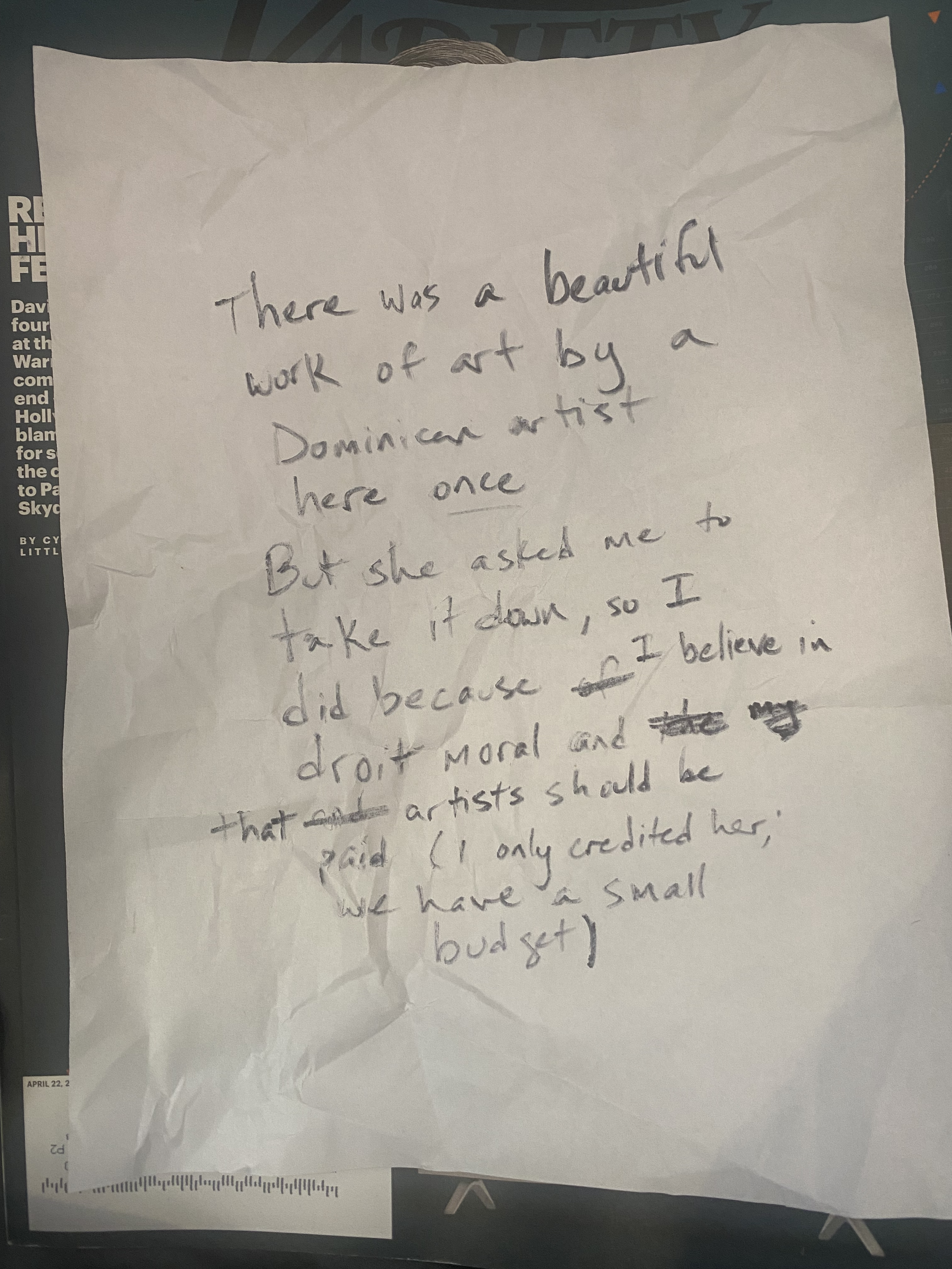
President of Spanish Ayiti and leader of the independence movement against Spain, José Núñez de Cáceres tried to have his part of island become a part of Simón Bolívar’s South American federation known as Gran Colombia.
That dream didn’t last long.
On February 9, 1822, Haitian President Jean-Pierre Boyer marched into Santo Domingo, and the Haitian unification of the island began, lasting until 1844. Although most of what we are taught is Haiti’s invasion was tyranny, abuse, and destruction of Dominican identity, we should ask ourselves why so many Dominicans at the time welcomed the invaders.
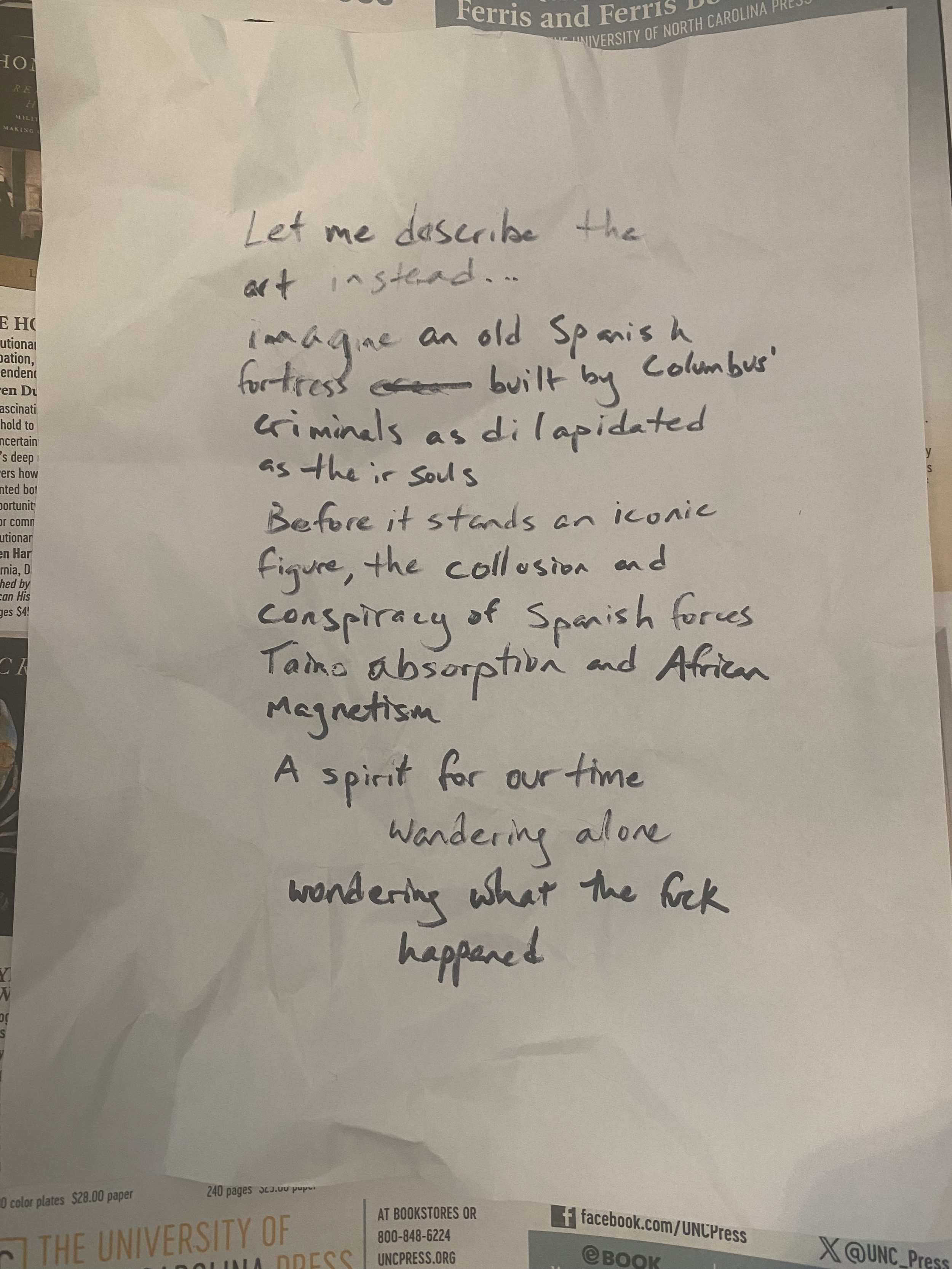
How much modern-day Dominican identity did we even have back then?
After all, didn’t we try to sell ourselves back to Spain in 1844?
Didn’t we keep trying until 1861?
And then that dream was achieved. In 1861, President Pedro Santana voluntarily returned to Spanish colonial rule. They called it “La Anexión”—The Annexation. We gave up our independence. Seems like what Dominicans back then didn’t mind giving up their independence as long as it wasn’t to Haiti.
But then they realized being under Spain’s thumb sucked too and thus began the War of Restoration (1863-1865) to get that independence back.
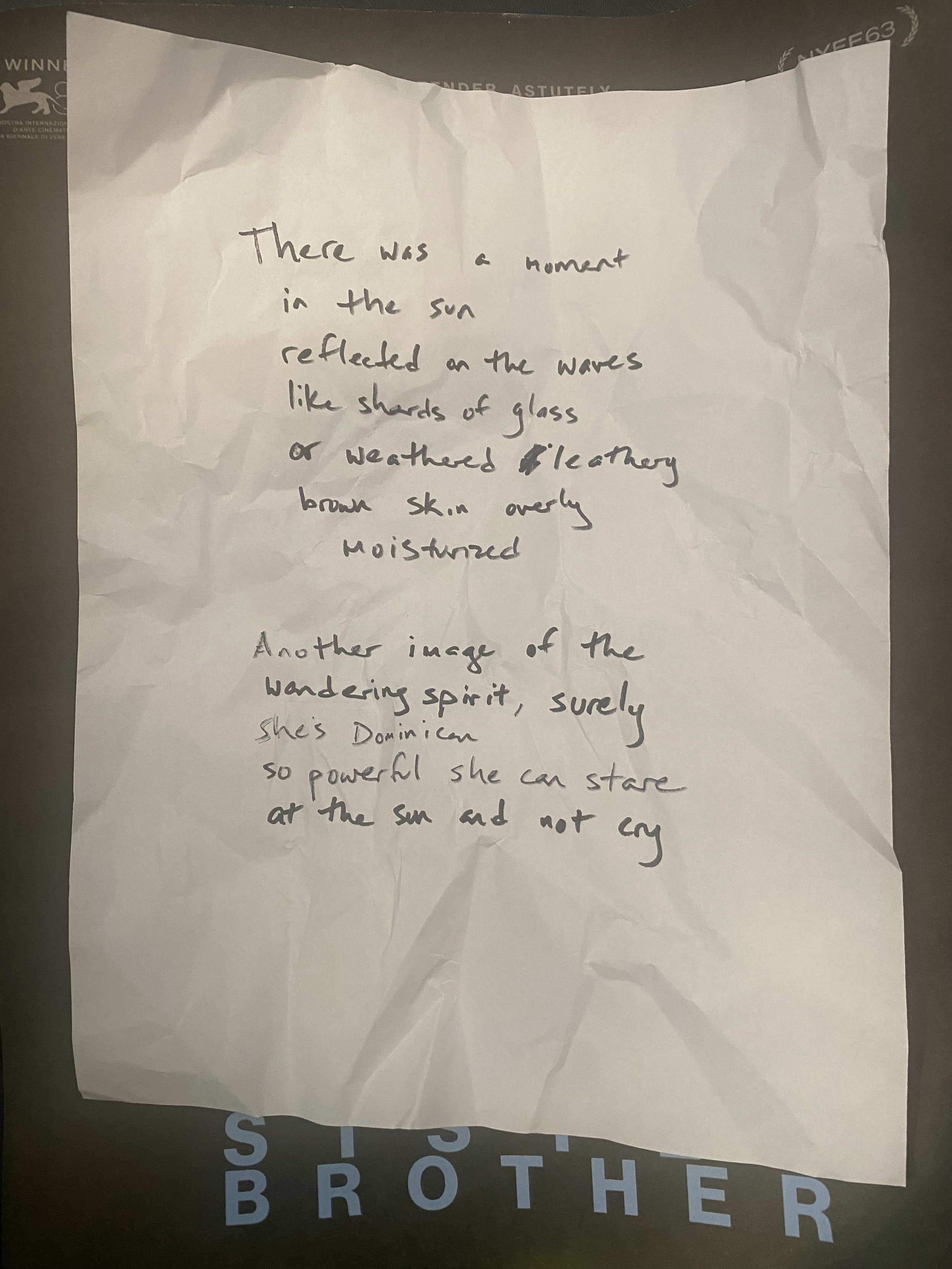
But Dominican stubbornness is a thing.
And in the late 1860s and 1870s, Dominican leaders tried to sell the country to the United States and President Grant thought he could maybe repatriate newly freed slaves there.
Why?
Fear. Economic desperation. Internalized colonialism. Anti-Haitian sentiment rooted in anti-Blackness. The belief that we couldn’t survive on our own, that we needed a “civilized” protector.
We were eventually spared the fates of Hawaii and Puerto Rico because the U.S. Senate defeated that measure.
One of the few times you can thank racism, I guess, as senators didn’t like the idea of Dominicans being able to migrate to the United States. Frederick Douglass failed to convince Congress but his failure led to a realization for both Haiti and Dominican Republic. “[I]n 1874 in response to a growing wariness of U.S. imperial ambitions, Haiti and the Dominican Republic signed a pact that neither nation would annex itself to a foreign power.“
Why aren’t we taught about that more?
To learn about the commonalities we share against oppressors. And I don’t say this because I want to unify the island. I say this because both islands have been fucked for too long and they both deserve better. Better treatment, better neighbors and better leaders.
Another thing the island shares are their roots, both Taino and African. Especially the African part. But thanks to colonialism and racism, and the rivalry of nations who went to war against each other, that commonality has been suppressed.
But it festers like a curse.
In Lo Que Pasó, Pasó, Luna is literally cursed by her mother. And the curse isn’t just supernatural—it’s generational, cultural, unspoken.
My Dominican Republic is an Afro-Caribbean nation. Our music—merengue, bachata, palo, dembow—has African roots. Our food, as well . While our spirituality is outwardly Catholic and European and white, there’s another side that is African—the one that Tía Avenary practices.
And yet I can’t help the feeling that we, en masse, are the byproduct of centuries of denial.
I mean let’s keep it 100. The fear of Haiti wasn’t just political. It was racial. It was the fear of Blackness, of African identity, of what it meant to be part of the Caribbean rather than an extension of Europe.
Remember when our Dominican Trump, Rafael Trujillo codified this into national policy? He promoted “Hispanidad”—Spanish-ness—as our identity; the height of civilization. And then ordered the massacre of thousands of Haitians in 1937. Doesn’t seem so contradictory when we also remember that it was the “civilized” Spaniards who eradicated the Tainos and enslaved millions of Africans for centuries.
This is one of our national family secrets. And also our curse.
Which we are still dealing with today.
🎨 Discover Dominican History 🇩🇴
First Image by: Dr. Margarita Lila Rosa
If you are curious to know more about Dr. Rosa’s work, explore at:
Join Our Journey
Lo Que Pasó, Pasó is a community effort. We’re currently in the crowdfunding/pre-production phase, and we need your support to bring this story to audiences.
Here’s how you can be part of our journey:
Support our crowdfunding campaign: Every contribution, no matter the size, brings us closer to completing this film. We seek to raise $5000 to cover location costs for scenes at a clinic and at a restaurant, production design expenses, van rental and meals and craft services. Click HERE to see our campaign page and crowdfunding video and pledge your support.
Spread the word: Share our film, blog, and campaign with friends, family, and anyone who appreciates good and unique storytelling.
Subscribe to our newsletter: I’ll be like a zine with updates, behind-the-scenes content, and insights into our creative process.
Filmmaking is a collaborative art form that extends beyond the set. Our audience is the final and perhaps most important collaborator in this creative journey.
